Rustic Beach Cottage Design & Coastal Home Design Exterior
When you want a relaxing space that brings the ocean right to your doorstep, a rustic beach cottage design works wonderfully for a permanent residence or a weekend getaway. It combines natural wood textures with breezy coastal charm to create a peaceful atmosphere.
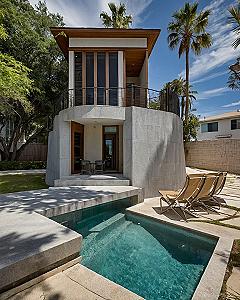
The main benefit of this style is how it instantly lowers your stress levels. Using weathered timber, soft linens, and plenty of natural light helps turn any ordinary property into a soothing vacation retreat.
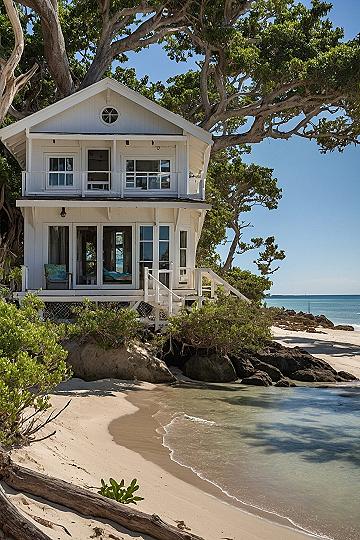
Choosing the right exterior paint color makes a huge difference in the overall result. Crisp white siding paired with warm wood accents keeps the exterior looking bright and welcoming year-round.
This relaxed approach to decorating can easily suit different budgets and property types. Whether you are building a full-scale coastal home or sketching a cozy beachy layout in a virtual game like Bloxburg, the same design principles apply.
Let us take a closer look at how to pull off this breezy look, starting with the main exterior view that sets the tone for the entire property.
#1 Choosing Weatherproof Exterior Siding for Coastal Cottages
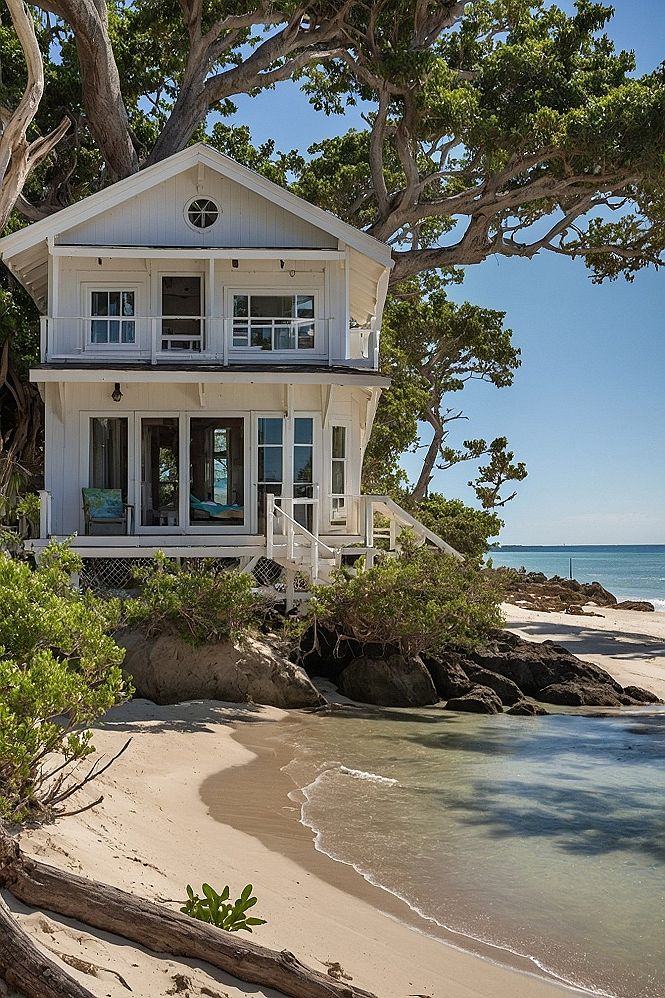
Weatherproof exterior siding protects coastal homes from salt air, high humidity, and strong winds. Wood board siding is a classic choice for rustic beach cottages because it adds natural texture and casual charm. When properly sealed, vertical or horizontal boards handle coastal weather well while keeping the exterior looking simple and authentic.
To keep wood siding in good shape near the ocean, plan to inspect and repaint or reseal the surface every few years. Choosing a light paint color helps reflect intense sunlight and reduces heat absorption. Always use stainless steel fasteners to prevent rust stains from bleeding onto the siding over time.
#2 Adding a Second Story Balcony to Your Coastal Cottage
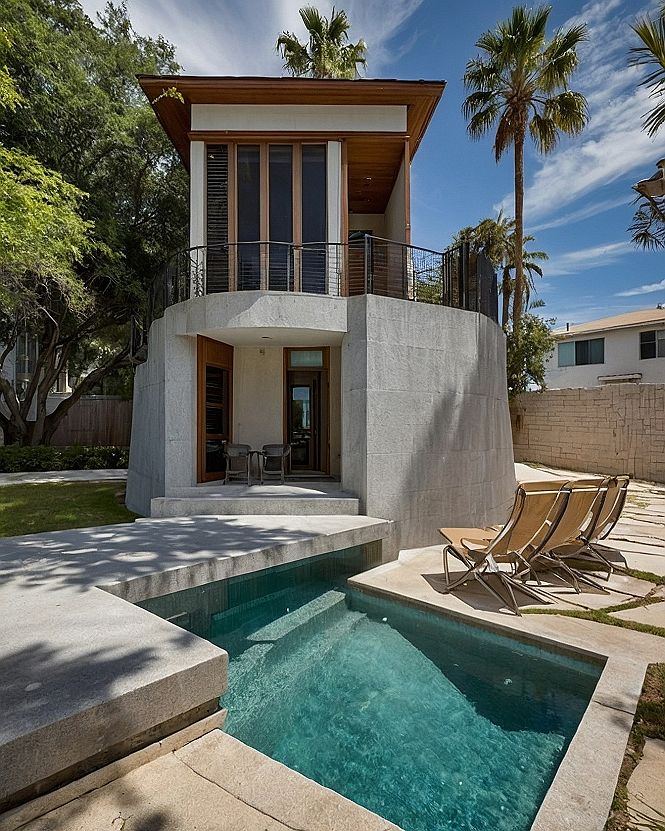
Installing a second-story balcony works well for coastal cottages because it expands your living space upward and captures better outdoor views. By creating an elevated outdoor area, you can enjoy cool sea breezes and natural sunlight while keeping the building footprint compact and practical for smaller beach lots.
This approach suits homeowners who want to maximize a scenic view without building a massive house. You can expect a functional space for morning coffee or relaxing evenings. When planning, make sure to choose rust-resistant railings and waterproof flooring materials that stand up well to salty coastal air and heavy moisture.
#3 Selecting Natural Stone Retaining Walls for Waterfront Landscapes
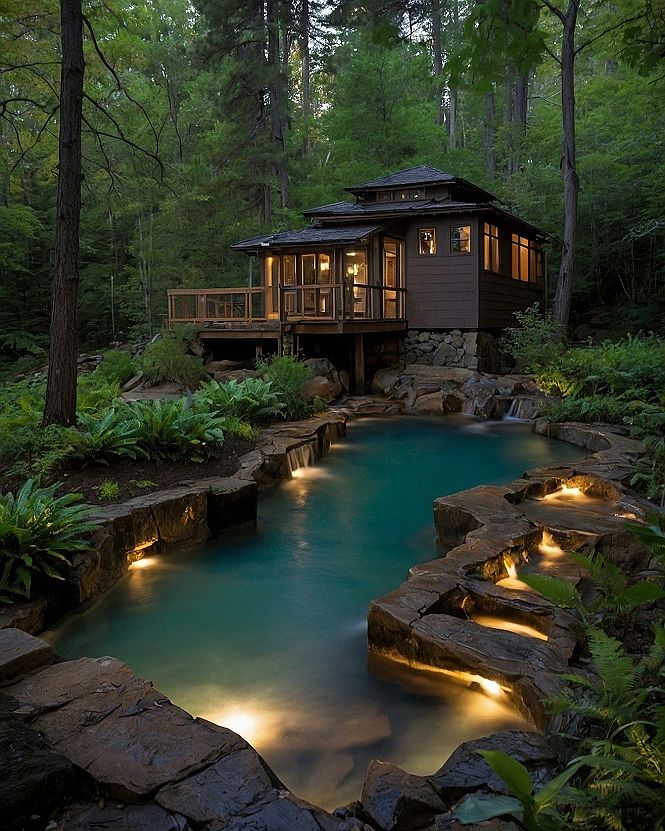
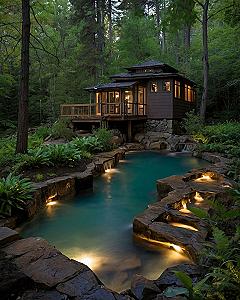
When deciding on retaining walls for a coastal property, you must choose between natural stone and poured concrete. Natural stone blends smoothly with rugged shorelines and handles shifting soil well. Pick local rocks that match your region to keep the landscape looking connected to its natural surroundings.
If you are working with a tight budget, dry-stack boulders offer a practical approach that you can assemble without mortar. For taller slopes requiring structural strength, mason-installed stone with hidden concrete backing ensures safety. You can also add low-voltage lighting along the stone ledges to improve nighttime visibility near water.
Which architectural style speaks to you?
#4 Maintaining Coastal Concrete Entry Steps and Porches
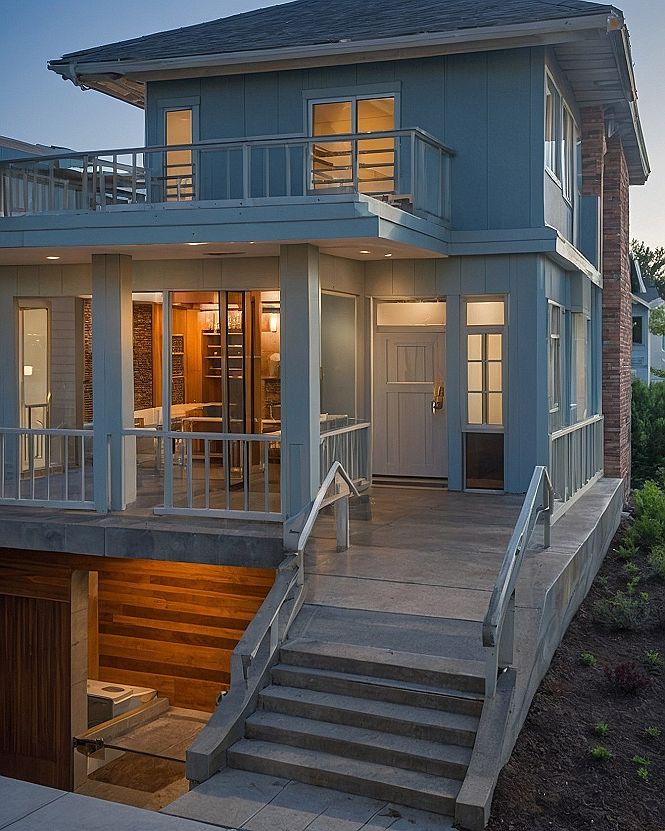
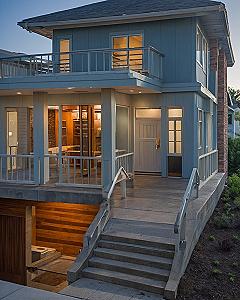
Concrete entry steps and elevated porches need regular care to survive salty ocean air and heavy moisture. Applying a breathable concrete sealer every couple of years prevents water from soaking into the pores. This simple step stops freeze-thaw cracking in colder coastal zones and keeps the surface from pitting over time.
Wash your concrete stairs and porch monthly using a mild detergent and a soft brush to remove salt buildup and dirt. Avoid harsh acid washes unless you are prepping the surface for a new coat of sealer. Promptly rinse off any fertilizer or organic debris so stains do not set into the porous material.
#5 Installing Functional Louvered Shutters for Coastal Homes
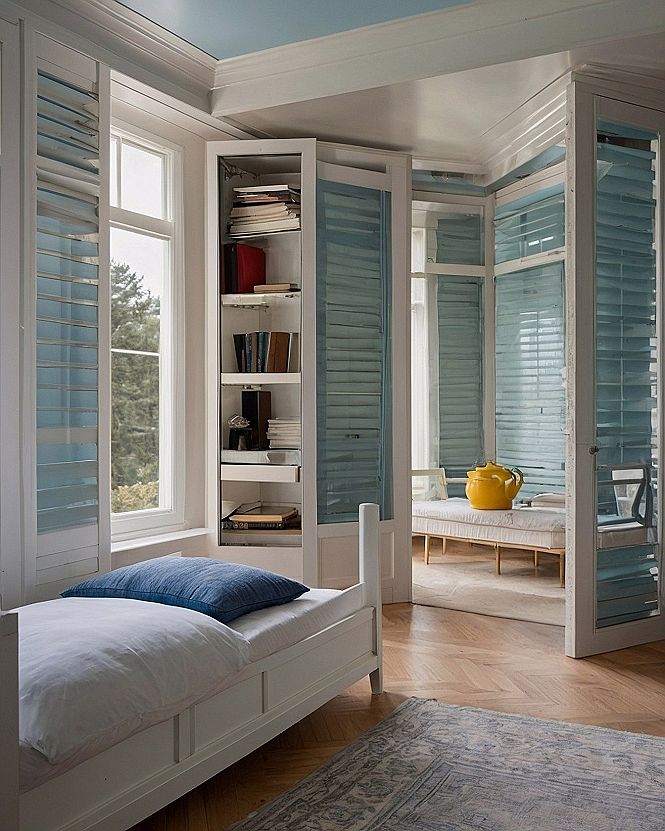
I really suggest adding louvered shutters to your coastal cottage windows. They help block harsh summer sun while letting cool ocean breezes flow right inside. This simple addition brings practical comfort and casual charm to any room without needing heavy drapes.
If full window shutters do not fit your layout, try using louvered interior doors or built-in divider screens. They offer the same breezy coastal aesthetic and help break up an open floor plan while keeping private zones feeling light and airy.
What's Your Architecture Personality?
Tap the look that speaks to you most:
Leave a Comment