Raised Garden Bed Along House & Garden Boxes Ideas
Building garden boxes right next to your exterior walls is a smart way to use neglected outdoor space and grow your own food closer to the kitchen.
Getting a great harvest starts with choosing the right layout and making sure sunlight and watering routines fit your daily schedule.
A common mistake is placing wooden frames directly against exterior siding without leaving enough room for airflow and moisture management.
Different setups work better depending on whether you have a wide side yard or a compact urban patio.
Let us jump straight into the first layout idea to help you plan your own custom setup.
#1 Building a Long Wooden Raised Garden Bed Along the House Foundation
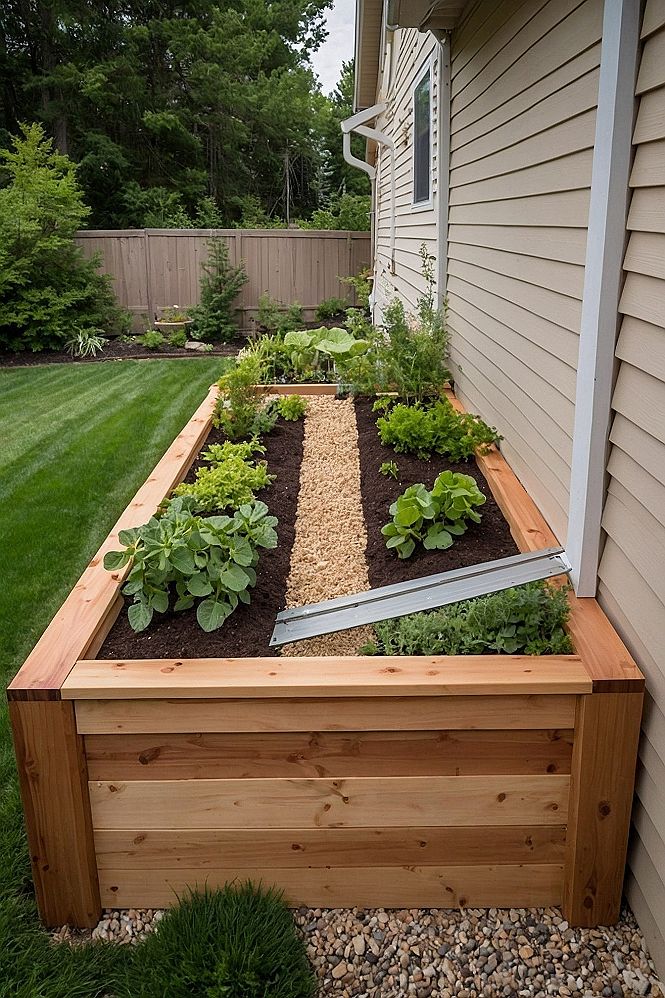
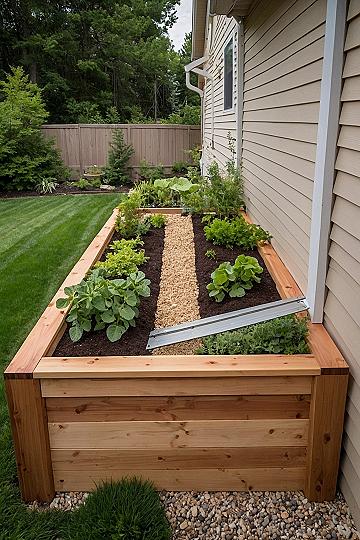
A long wooden raised garden bed placed directly alongside a house foundation is a smart way to grow vegetables or flowers right outside your door. Building a custom planter box here makes use of unused side yards and keeps your soil safely contained away from direct ground contact, which helps control weeds and pests while giving your plants plenty of sunlight.
When building a bed right next to your exterior wall, leave a small gap between the wood and your siding to allow for proper airflow and routine home maintenance. Line the inner walls with a protective membrane to shield the wood from constant moisture, and choose plants that match the amount of sun or shade that specific side of your house gets.
#2 Choosing Climbing Vines for Wooden Garden Boxes
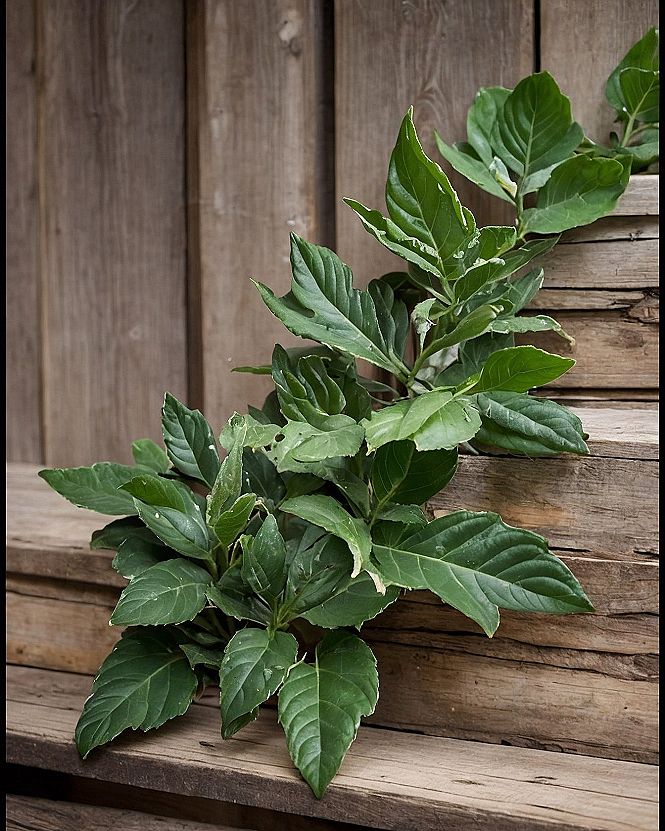
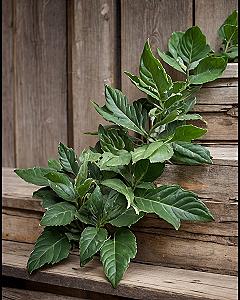
Adding climbing plants to a garden bed near your house works well because the vertical growth breaks up plain exterior walls. Vines naturally soften hard wooden structures and add lovely texture without taking up extra ground space. They use vertical surfaces efficiently, making them a smart choice for narrow garden beds.
This approach suits homeowners who want to green up a blank wooden wall or fence quickly. You can expect plants like ivy or climbing greens to attach easily and spread upward over time. Just remember to check your siding or wood regularly to ensure moisture does not get trapped behind thick foliage.
#3 Selecting Metal Garden Trellises for Wall Planters
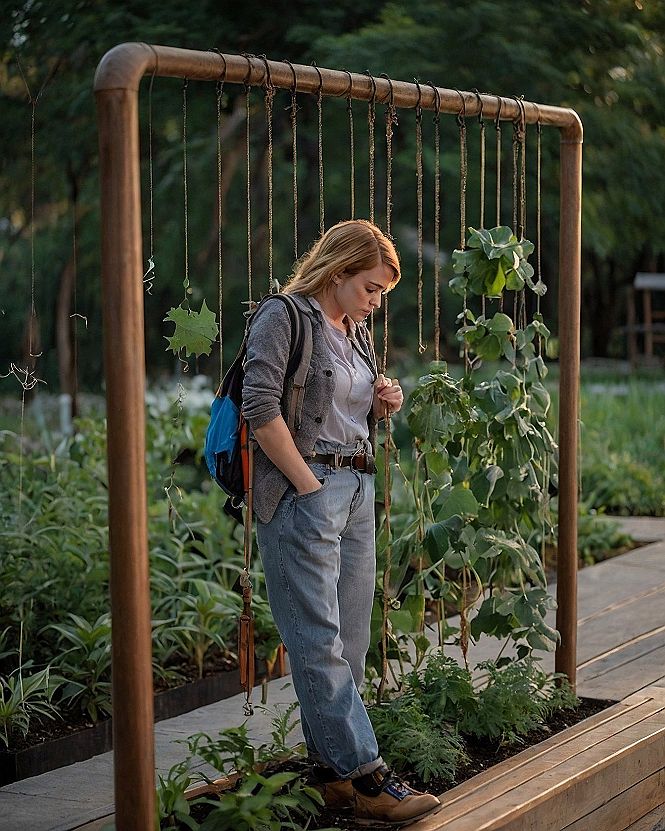
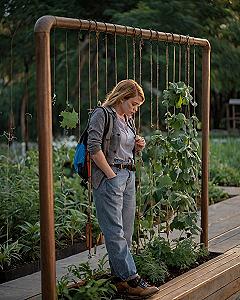
When you want to support heavy climbing plants near your home, picking the right metal trellis makes all the difference. Sturdy steel and iron frames stand up to strong winds and heavy rainfall better than flimsy plastic grids. Look for galvanized or powder-coated finishes that resist rust and keep your exterior walls safe from moisture damage over time.
You can easily match your trellis style to your budget and skill level. Simple wall-mounted wire panels work well for beginners and cost very little. If you want a more custom setup, try installing modular panels that hook directly into your raised wooden garden beds for a clean, unified layout along the side of the house.
Which style is calling your name?
#4 Adding Container Planters Around Your Patio Fire Pit Area
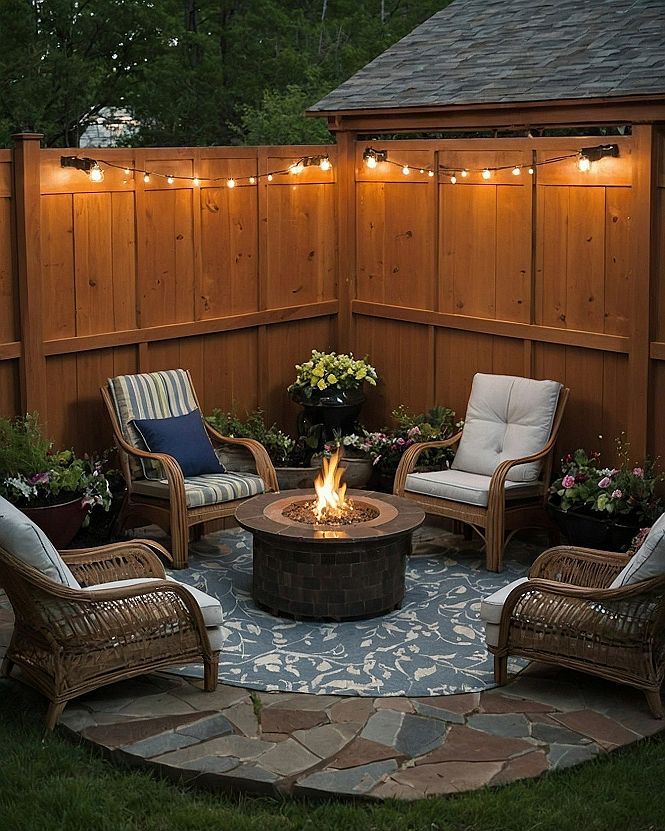
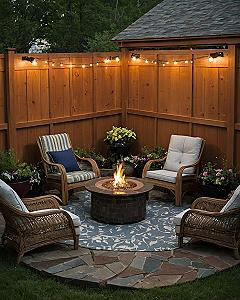
Placing potted plants around the perimeter of a backyard fire pit zone helps soften hardscaping and connects your seating space to the rest of the landscape. When setting up garden boxes or containers near an active heat source, choose heat-tolerant flower varieties and keep plants far enough away to prevent heat damage from stray sparks or open flames.
Routine care for patio container plants requires checking moisture levels frequently because pots dry out much faster than in-ground garden beds. Grouping pots of different heights adds visual interest while making it easier to water them all at once. Remember to clear away fallen leaves and dead blooms regularly to keep the seating area looking tidy and well-maintained throughout the growing season.
#5 Designing a Curved Wooden Raised Bed Edge in the Yard
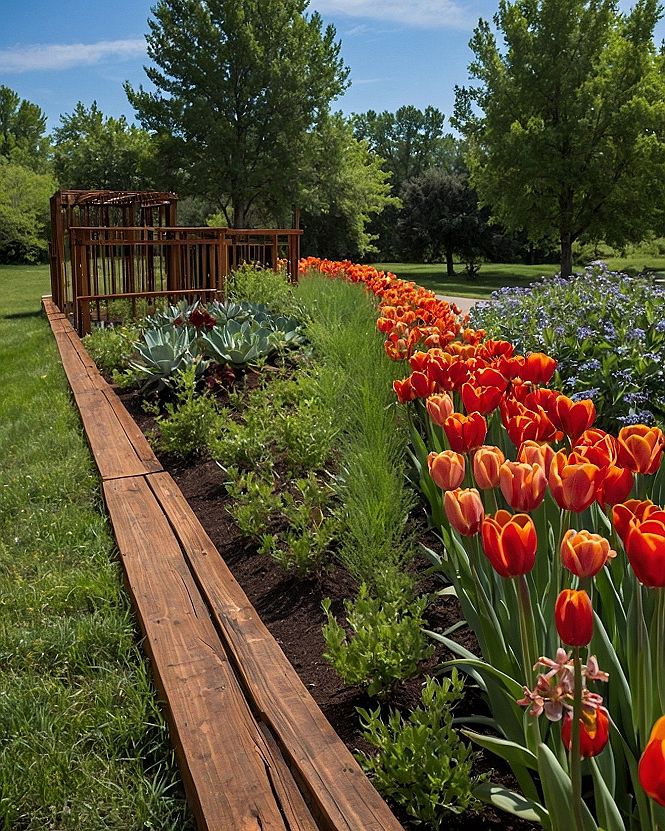
If you want to break away from straight lines, adding a curved wooden garden bed is a great way to soften your landscape. This shape guides the eye smoothly through your yard and creates a natural flow between open lawn areas and planting zones.
You can easily achieve this look by using flexible timber boards or shorter wood segments to trace a gentle arc. Try filling the curved space with bold drifts of brightly colored tulips or mixed perennials to make the graceful shape really stand out.
What's Your Style Personality?
Tap the look that speaks to you most:
Leave a Comment