Discover Wonder Spots in Canada for Epic Landscape Photography
At its simplest, capturing nature through a camera lens means finding places that instantly take your breath away. Canada holds countless hidden treasures that make every single shutter click worth the trip.
Many photographers choose these stunning northern vistas because the lighting changes dramatically throughout the day. You get soft morning glows and rich evening shadows that highlight every natural feature.
Getting a great shot usually comes down to patience and picking the right vantage point. When you take time to study the terrain, the final images turn out much more compelling.
Every setup can be easily adapted to match your personal style or gear limits. You do not need expensive equipment to capture the magic of these vast open spaces.
The journey begins high above the valleys, where sweeping views show just how varied the local scenery can be.
#1 Capturing Terraced Hillsides and Alpine Lakes
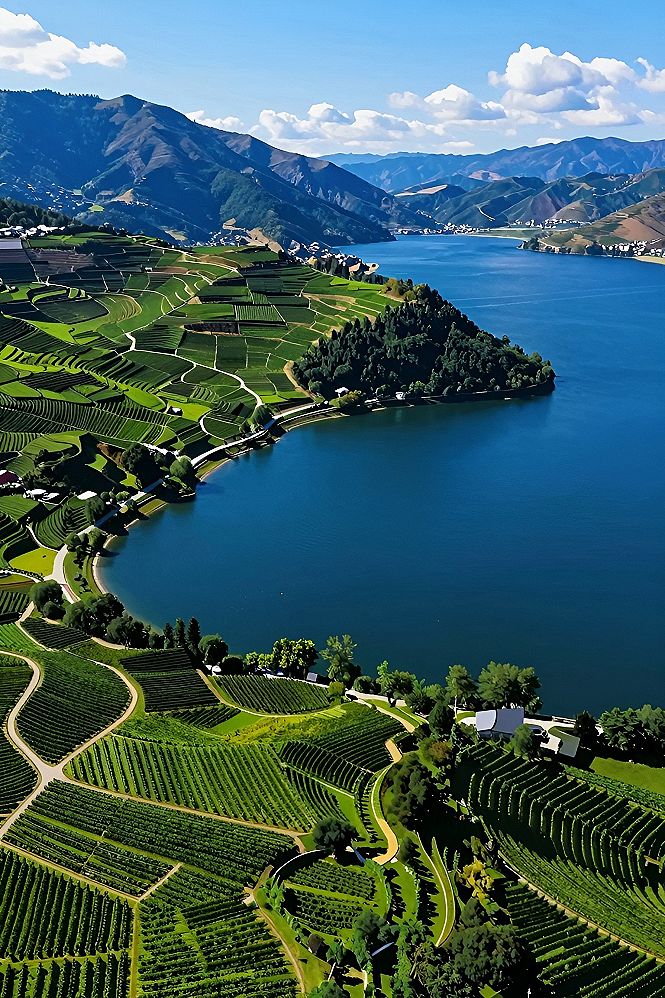
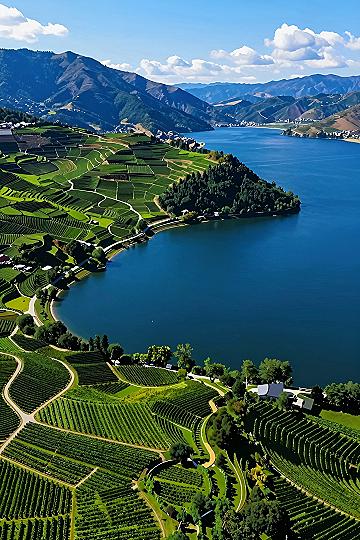
Terraced landscapes near alpine water bodies offer incredible depth for outdoor photography. When neat agricultural steps climb sloping terrain next to a wide lake, you get natural leading lines that guide the viewer straight into the frame. These layered textures make flat horizons much more interesting and help tell a story about how people shape and live within the natural world.
To get the best results when shooting layered terrain near water, try arriving during the early morning hours. Side lighting creates soft shadows across the agricultural steps, making the individual ridges stand out clearly. A polarizing filter also helps cut glare off the water surface, keeping the deep blue tones rich and balanced with the bright green hills.
#2 Framing Mountain Valleys with Wildflowers
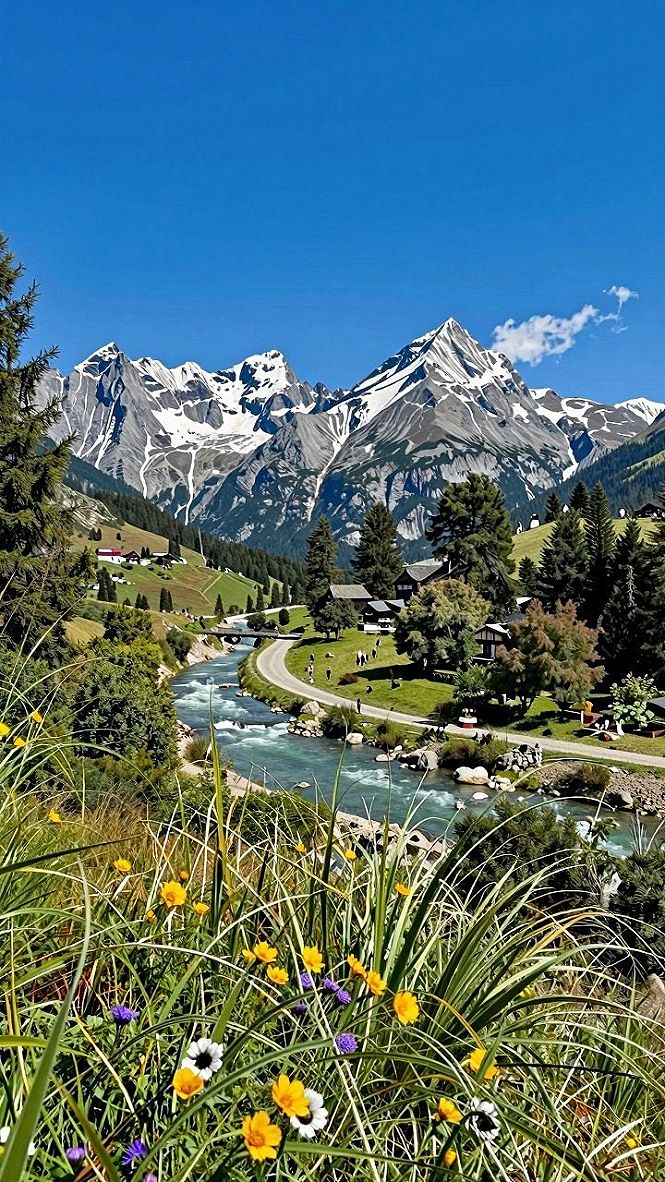
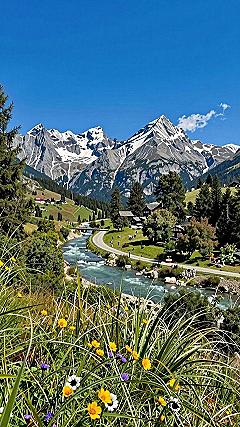
Including nearby wildflowers and winding rivers in your landscape shots creates immediate depth. This technique works well because foreground elements draw the viewer’s eye straight toward distant peaks. By kneeling close to ground level, you add natural texture and scale that make vast mountain ranges feel much more immersive and real.
This approach suits photographers who want to add storytelling elements to wide scenic views. It is especially useful during mid-morning hours when natural sunlight brings out vibrant details in local plant life. You can reasonably expect to capture balanced images that combine sharp close-up foliage with majestic, snow-capped horizons without needing complex gear.
#3 Choosing the Best Trail Riding Spots for Wilderness Photography
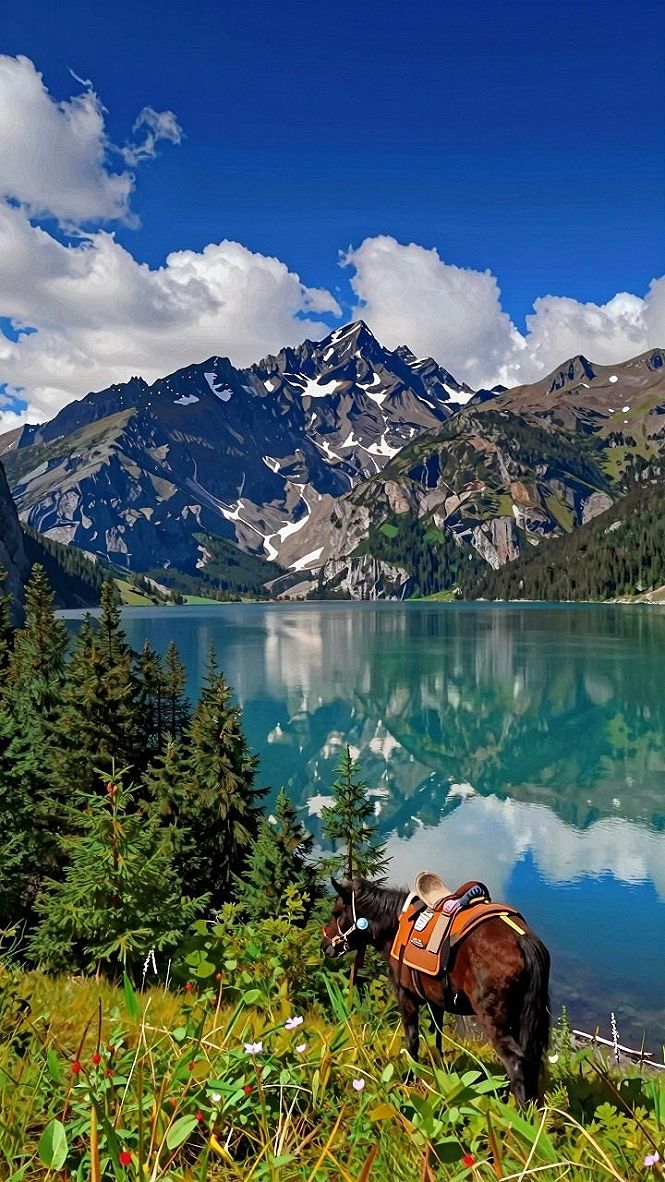
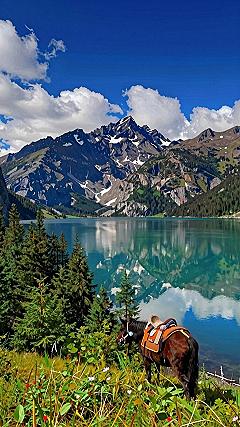
Deciding how to explore remote backcountry regions involves balancing your riding experience with your gear needs. When you plan a horse-packing photography trip, pick routes that offer open shorelines and stable footing so you can safely manage heavy camera bags while handling your mount. Local outfitters can help match your skill level to trails with reliable water crossings and steady climbs.
You can easily tailor this adventure to fit different budgets and comfort levels by booking multi-day guided excursions or opting for simple day rides near lakeside cabins. If you prefer traveling light, pack a compact mirrorless camera in a secure saddle pouch rather than hauling a full tripod setup. This keeps your hands free and lets you respond quickly when the light shifts over the peaks.
Which style is calling your name?
#4 Protecting Camera Gear During Long Valley Hikes
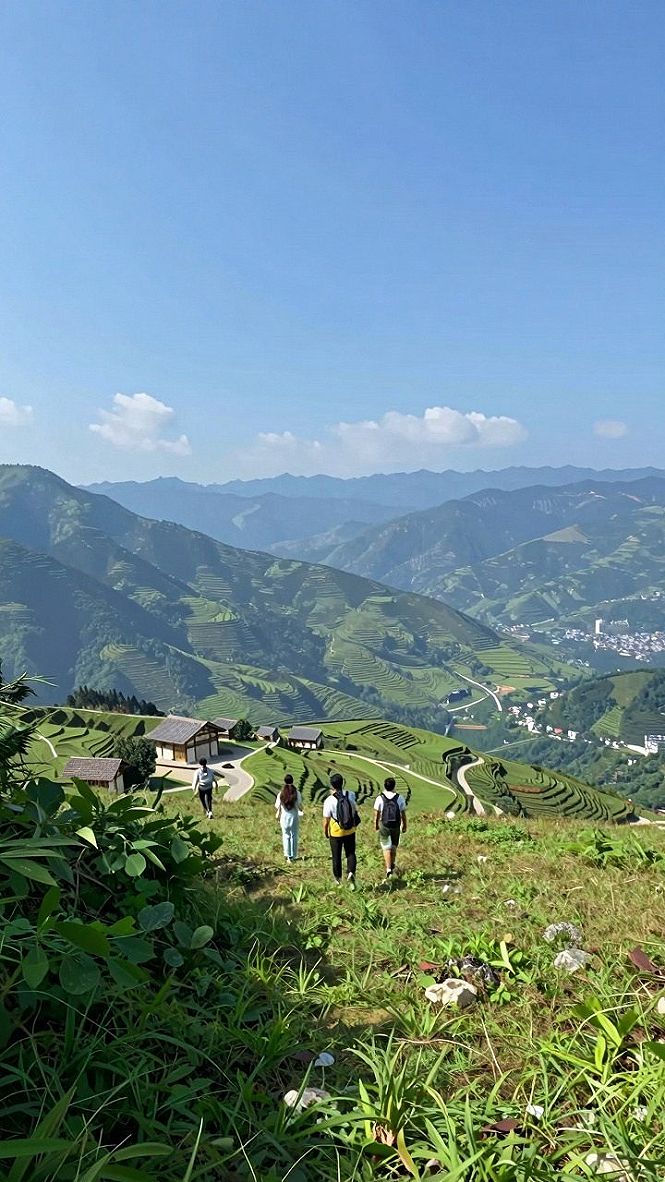
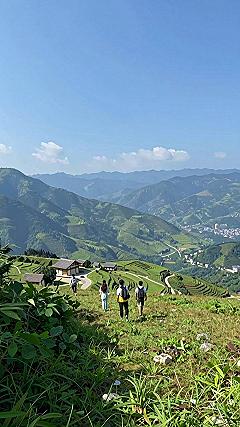
Keeping your camera equipment safe while exploring remote landscapes requires smart packing habits. Dust, moisture, and sudden weather shifts can ruin sensitive electronics before you reach the best viewpoint. Use a weather-sealed bag and pack lens cloths in an easily accessible side pocket so you can clean smudges quickly without exposing your gear to the elements.
When styling your gear for a day on the trail, attach a sturdy rain cover to the bottom of your backpack so it is ready when storms roll in. Check that your strap hardware is tightened securely before starting uphill. Taking these simple preventive steps lets you focus entirely on composing your shots instead of worrying about equipment damage.
#5 Photographing Coastal Village Settlements Along Rugged Sea Cliffs
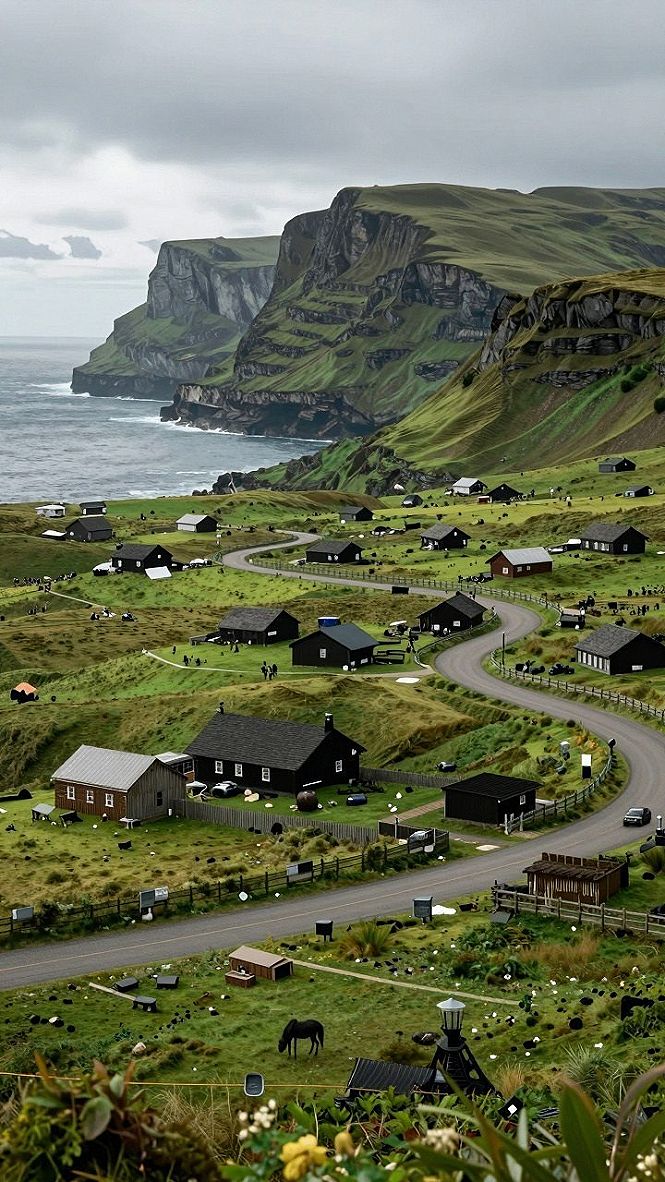
If you want a truly peaceful landscape project, try visiting coastal village settlements tucked beneath dramatic sea cliffs. These locations offer a unique mix of simple architecture and vast ocean views, giving your portfolio a calm, storytelling feel without needing complex setups or heavy gear.
If the main viewing overlooks get too crowded with travelers during peak hours, you can easily walk a bit further along the winding coastal roads to find a quieter patch of green hills for a fresh perspective.
What's Your Style Personality?
Tap the look that speaks to you most:
Leave a Comment