Endless Summer Hydrangea & Summer Flowers Garden Guide
When you want to spend more time outdoors, setting up a colorful garden patch makes a huge difference. These spaces turn an ordinary yard into a relaxing spot for morning coffee or quiet weekend afternoons.
The main benefit of growing vibrant summer flowers is the simple joy they bring to your daily routine. Caring for living plants offers a wonderful way to slow down and unwind from busy schedules.
Choosing hardy varieties like the classic Endless Summer hydrangea changes your garden results completely. Selecting plants that adapt well to local soil makes maintenance much simpler for busy homeowners.
This relaxed gardening approach can suit different spaces, from large sprawling yards to small apartment balconies. You do not need a massive plot of land to enjoy the rewards of growing your own petals.
Getting started begins with learning a bit about flower identification so you know what thrives best. Here is a simple look at how to bring these lovely blooms into your everyday outdoor life.
#1 Growing Vibrant Blue Endless Summer Hydrangeas
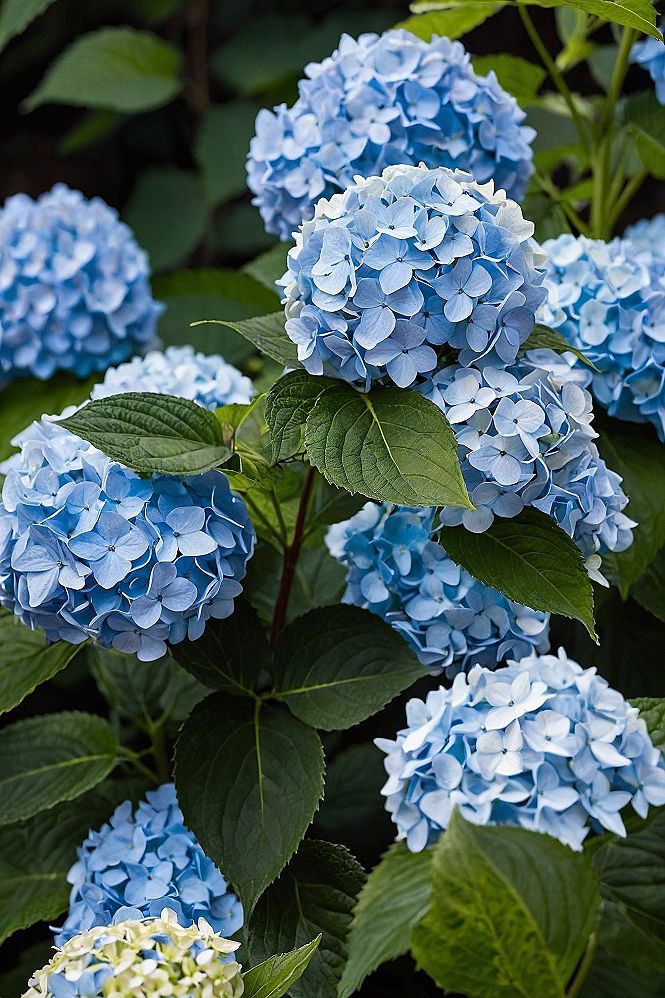
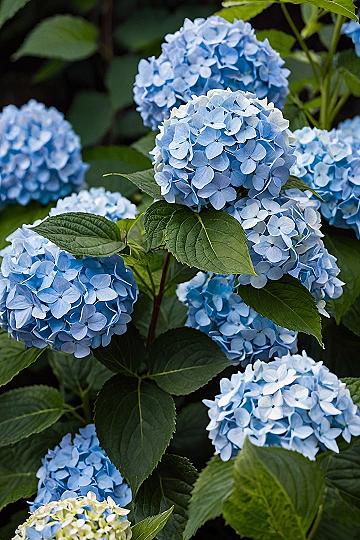
The Endless Summer hydrangea produces large, rounded flower clusters that can turn a bright blue shade when grown in acidic soil. These plants bloom on both old and new wood, which means you get continuous flowers throughout the summer months without complicated pruning schedules.
To keep your blue hydrangeas looking their best, check your soil pH regularly and add soil sulfur if you need to increase acidity. Give them morning sun and afternoon shade to protect the blooms from burning on hot summer days, and water them deeply whenever the top inch of soil feels dry.
#2 Creating Mixed Rose and Hydrangea Summer Bouquets
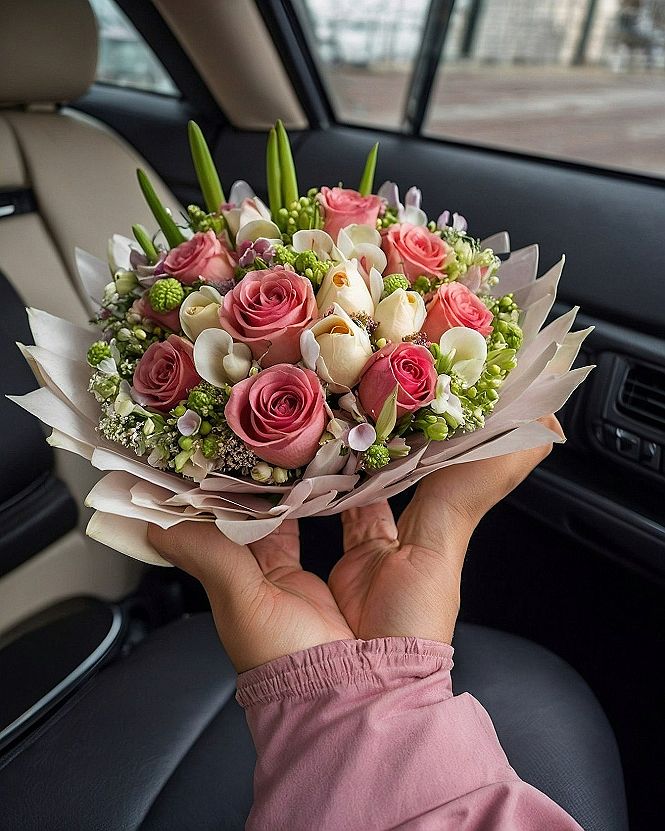
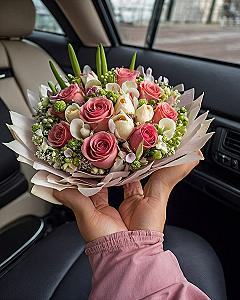
Combining summer roses with classic hydrangea blooms works wonderfully because the dense flower heads create a full base while tall roses add height and structure. This pairing balances different petal textures and holds up well when properly conditioned in fresh water during warm weather.
This approach suits home gardeners who want to bring fresh seasonal cuttings indoors for table arrangements. You can expect a lush display that lasts for days if you trim the stems at an angle and change the vase water every couple of days to keep the foliage clean.
#3 Selecting the Right White Daisies for Your Sunny Garden
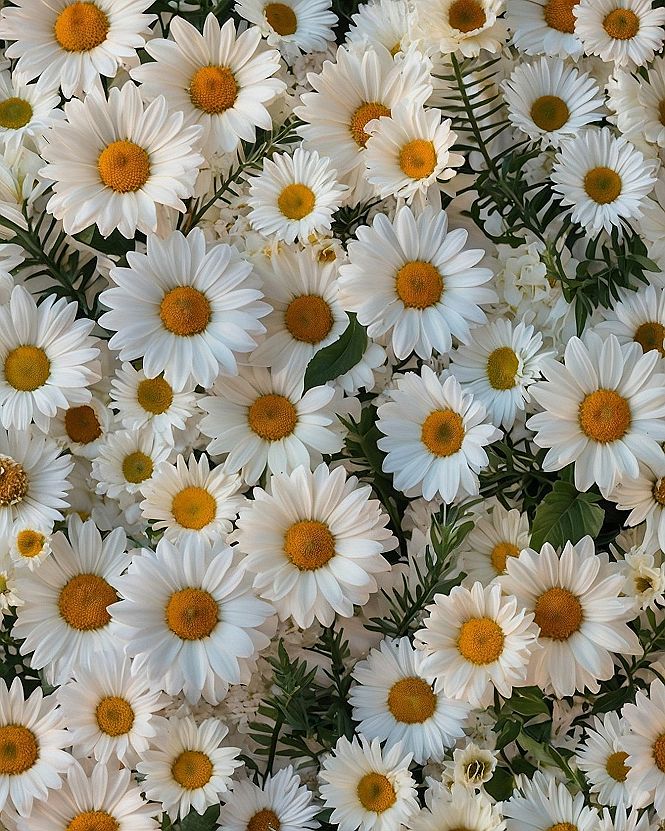
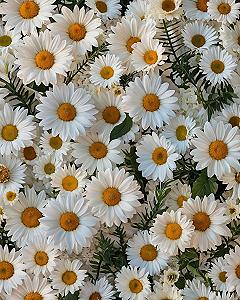
When you want to add bright white daisies to your summer garden, decide first between perennial varieties like Shasta daisies and annual options. Perennials return reliably year after year, saving you planting time. Annual types offer quick color and fill gaps fast. Think about how much sun your beds get, since most daisies need full sunlight to bloom well.
If you are working with a tight budget or limited space, buy smaller starter plants or grow them from seed. Beginners often find that potted starter plants give them the quickest success with minimal fuss. For larger yards, mix different height varieties together to create depth and texture along pathways or fence lines without needing extra garden decor.
Which style is calling your name?
#4 Caring for Pink Oakleaf Hydrangeas in Your Garden
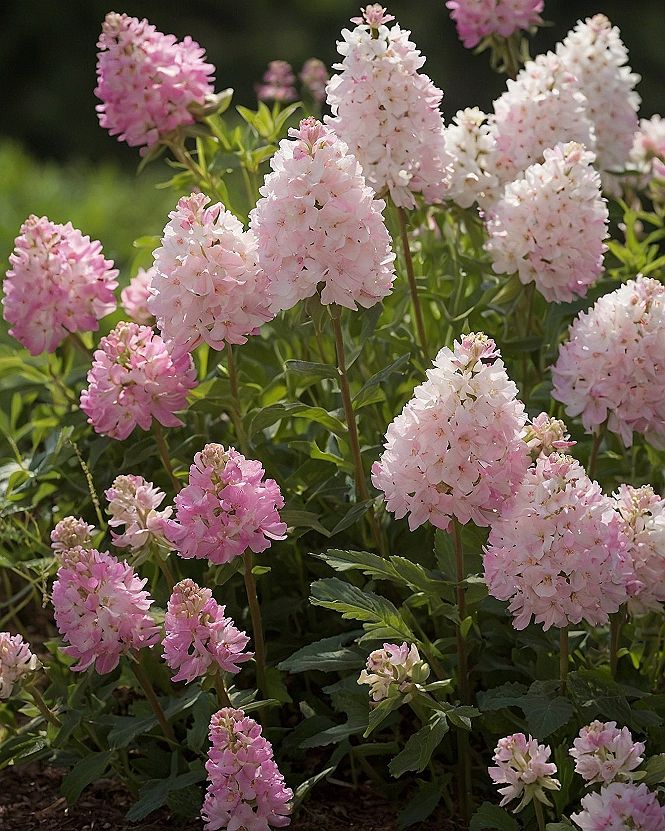
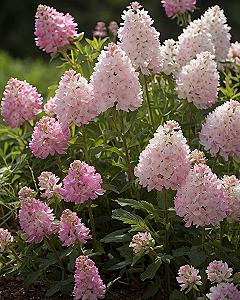
Pruning oakleaf hydrangeas at the right time helps them grow strong stems and produce heavy blooms next season. You should always prune these shrubs right after they finish flowering in the summer. If you wait until late autumn or winter, you might accidentally cut off the new buds that are forming for next year.
These plants thrive in areas that get morning sun and afternoon shade, especially in warmer regions. Make sure to give them well-draining soil rich in organic matter to prevent root rot. Adding a thick layer of mulch around the base will help retain moisture during hot summer weeks.
#5 Designing Layered Flower Beds Around Your Home
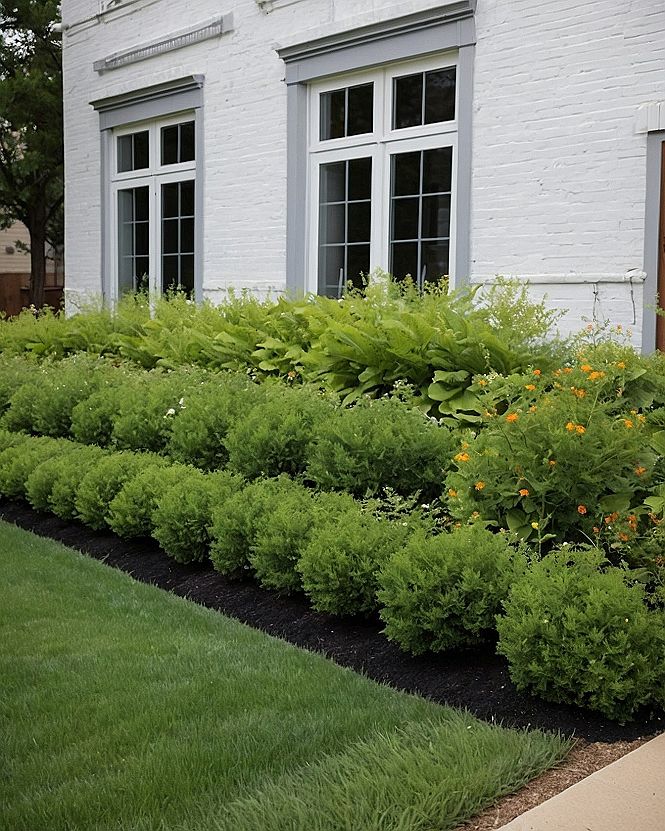
If you want to boost your home’s curb appeal, I really recommend trying a layered planting approach. Putting lower, mounding green shrubs near the front border creates a neat, structured line. Behind them, taller perennials and summer blooms add wonderful depth and texture without blocking your windows.
If yellow or orange cosmos flowers are not your style, you can easily swap them out for purple coneflowers or white daisies. The key is simply mixing different heights and leaf shapes so your garden stays interesting all season long, even when certain plants finish blooming.
What's Your Style Personality?
Tap the look that speaks to you most:
Leave a Comment