Dream Backyard Garden & Vegetable Garden Design
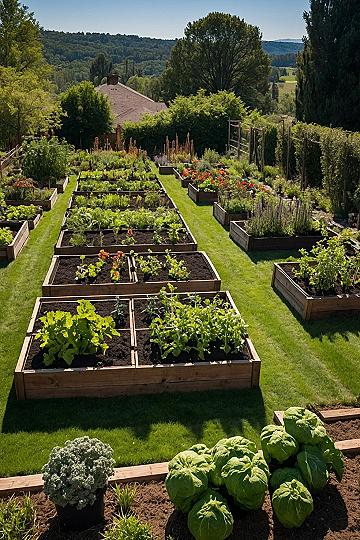
Build a productive outdoor space by planning your home vegetable garden with structured raised beds and clear pathways. Careful arrangement helps you grow a rich harvest while keeping the entire area easy to manage.
The secret to a great layout lies in balancing neat rows with natural charm to capture that classic garden cottage feel. This approach keeps your crops thriving while turning everyday yard work into a relaxing routine.
A common mistake is placing heavy structures in shaded corners where plants struggle for sunlight. Mapping your space properly ensures every tomato and leafy green gets the warmth it needs to produce a healthy crop.
The upcoming design ideas make those choices much easier to compare when you are mapping your own dream backyard. You will see how different configurations fit various yard sizes and sun patterns.
Let us start by looking at how a wide overview layout can completely transform your outdoor space into a working homestead.
#1 Planning Out a Raised Bed Vegetable Garden Layout
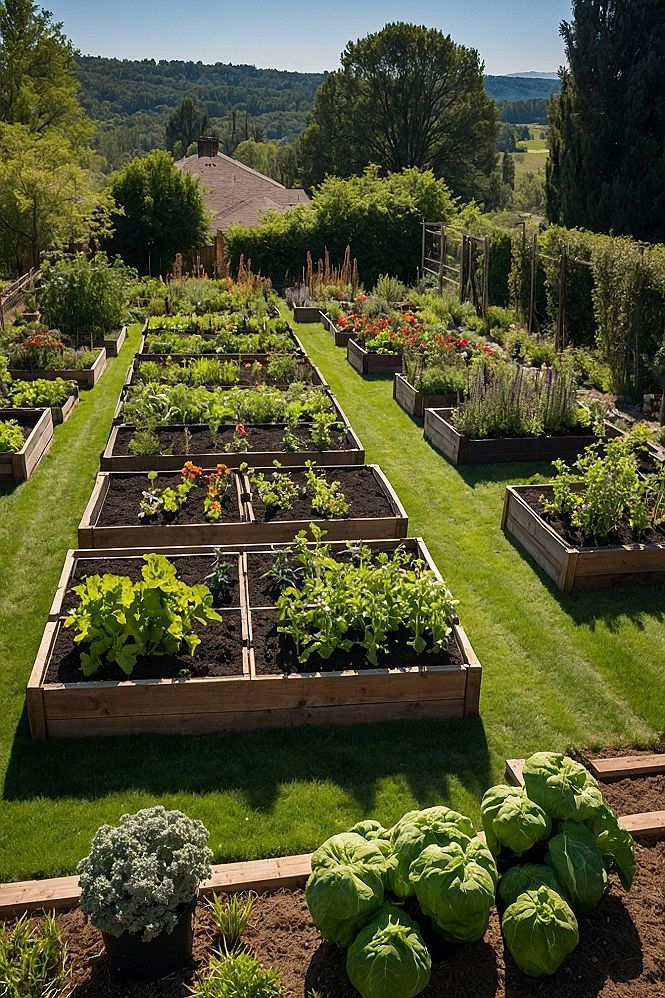
A raised bed garden layout uses separate wooden boxes arranged in neat rows to grow vegetables. This setup keeps your soil loose and warm, prevents compaction from walking on the dirt, and makes weeding much easier since you can reach every plant comfortably from the edges.
When building your layout, leave enough space between the boxes for a comfortable walking path and a wheelbarrow. Wide paths help you move around easily with tools during planting and harvest seasons, keeping your workspace open and stress-free.
#2 Designing Structured Zones in a Large Backyard Garden
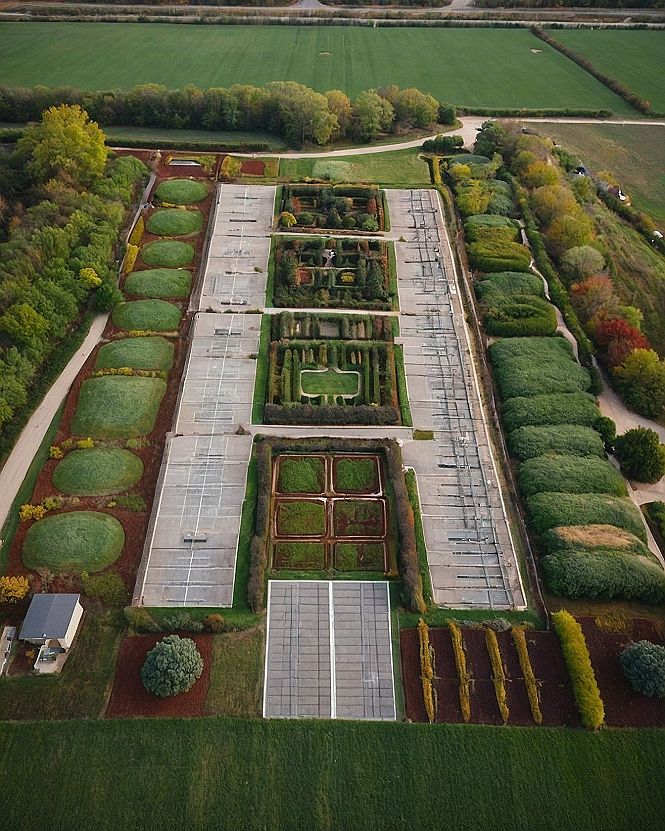
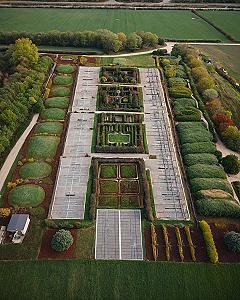
Dividing a large outdoor space into distinct rectangular plots helps keep your growing areas organized and manageable. This layout style works well because it creates clear pathways for tending crops while maximizing available sunlight across the yard. Separating vegetable beds into neat sections also simplifies crop rotation and pest management over time.
This approach suits homeowners with larger yards who want to balance heavy food production with structured landscape design. You can expect easier daily maintenance because every section has a dedicated purpose. Grouping similar plants together ensures they receive the correct soil amendments and watering schedules without interfering with neighboring crops.
#3 Choosing Pathway Materials for Your Garden and Yard
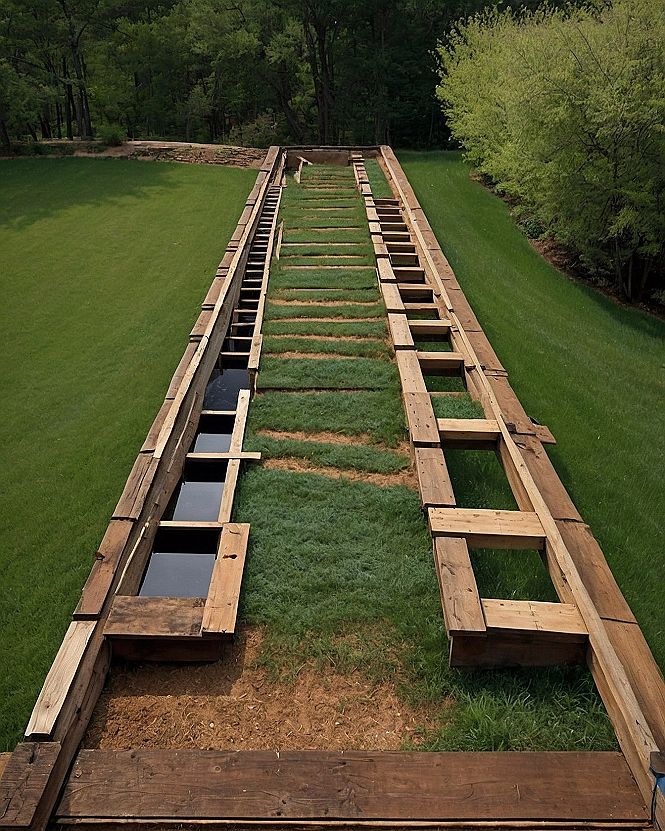
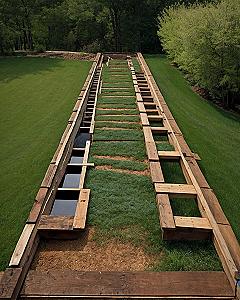
When you want to connect different parts of your yard, picking the right pathway material is key. You need to decide if you prefer loose materials like gravel and wood chips, or solid surfaces like stone pavers and bricks. Loose paths are budget-friendly and easy to install yourself, while solid paths offer a smoother walk for heavy garden carts.
To customize your paths for your specific budget and skill level, mix and match materials based on traffic flow. Use durable stone pavers for main routes where you walk often, and save inexpensive mulch for quiet side paths between vegetable beds. This keeps your yard functional and stylish without breaking the bank.
Which style is calling your name?
#4 Integrating Flower Beds Along Porch Railings and Walkways
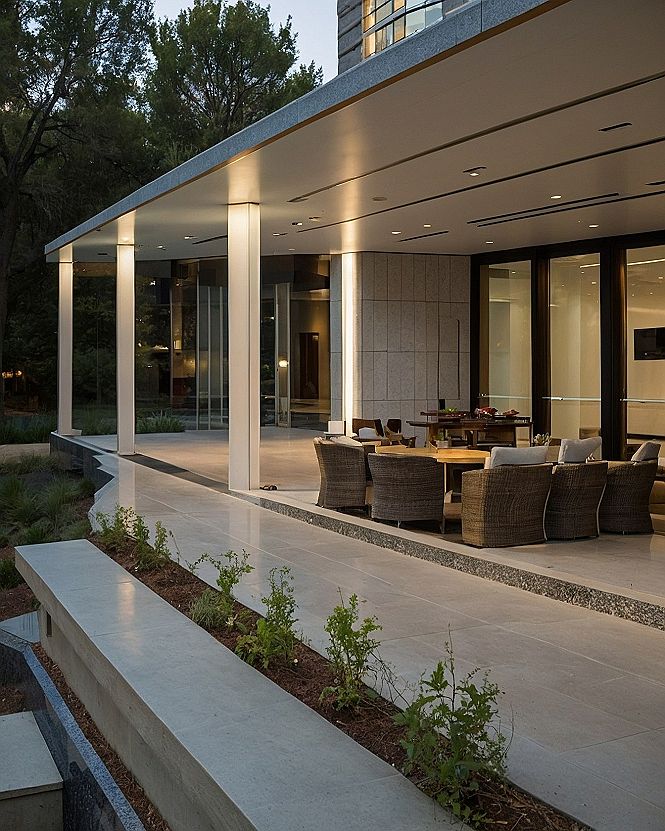
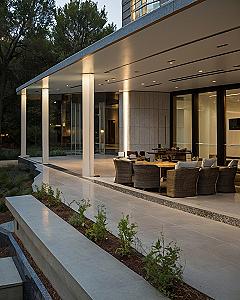
Adding narrow garden beds right against low porch walls or fences helps soften hard architectural lines. When planting flowers close to wooden railings, choose varieties that stay compact and do not block walkways. Good spacing allows air to circulate freely around the base of your home, which keeps moisture levels balanced and prevents wood rot over time.
Keep these border gardens healthy by adding a thick layer of organic mulch to hold moisture during hot summer weeks. Check the soil moisture often because beds near raised structures can dry out faster than open garden plots. Prune back any overflowing stems regularly so visitors can use paths and stairs safely without tripping over stray branches.
#5 Adding a Peaceful Water Feature and Garden Bridge
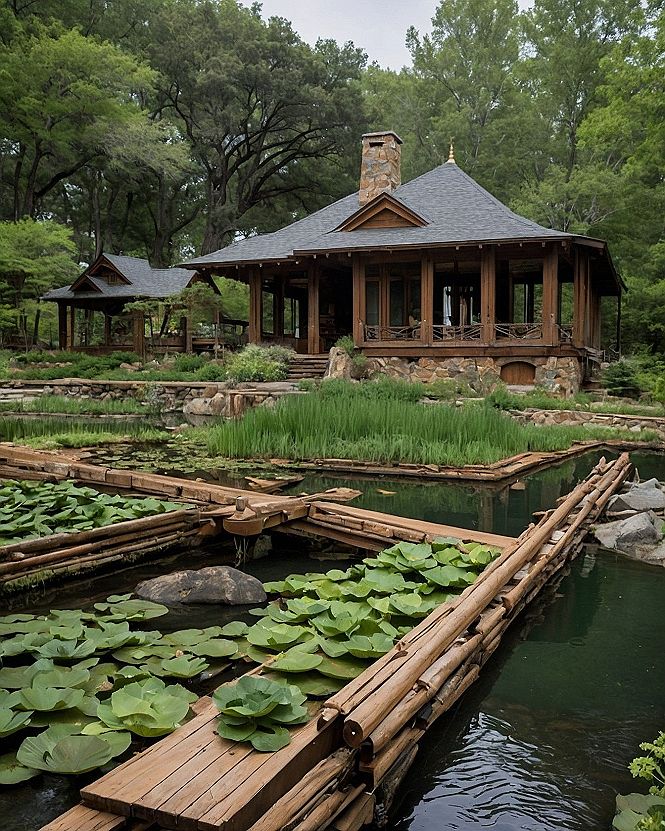
If you want to create a calming focal point in your backyard, I really recommend installing a small pond with a simple wooden bridge. Moving water brings a soothing sound to your outdoor space, and a bridge lets you cross over to tend plants or just enjoy the view from a different angle.
If a pond feels like too much work, you can try a dry creek bed instead. Just line a shallow trench with smooth river rocks and bridge it with a small plank. It gives you that same charming look without the ongoing maintenance of standing water.
What's Your Style Personality?
Tap the look that speaks to you most:
Leave a Comment