Rainy Photography Nature & Rainy Road Photography
If you love spending quiet moments outdoors when the weather turns gray, you may want to capture those moody, damp landscapes with your camera. Finding the right angle makes all the difference when framing a wet forest pathway or a rain-soaked highway.
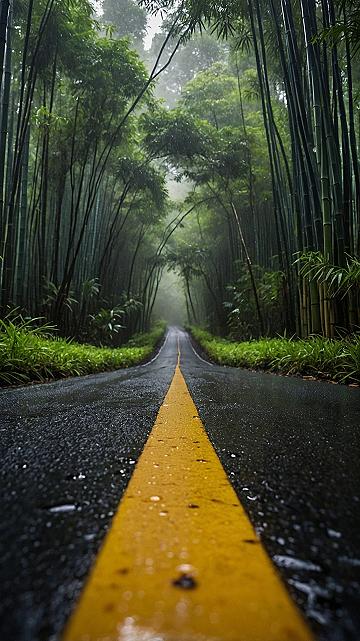
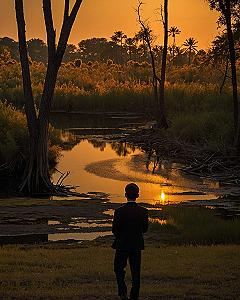
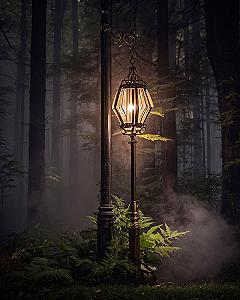

A wide roadway shot works best for dramatic landscape views, while close-up compositions focus on tiny droplets clinging to pavement markings. Choosing the right perspective depends entirely on the story you want your final photo to tell.
Lighting is another key element to think about before heading out with your camera gear. Overcast days provide soft, even illumination that brings out rich greens and deep grays without harsh shadows.
You can always adjust these techniques to fit whatever weather happens to come your way. A light drizzle creates a different mood than a heavy downpour, so experiment with shutter speeds to get the look you want.
Let us look at some practical ways to frame wet roadways and lush woodlands for your next outdoor photography session.
#1 Capturing Wet Roads in Forest Settings
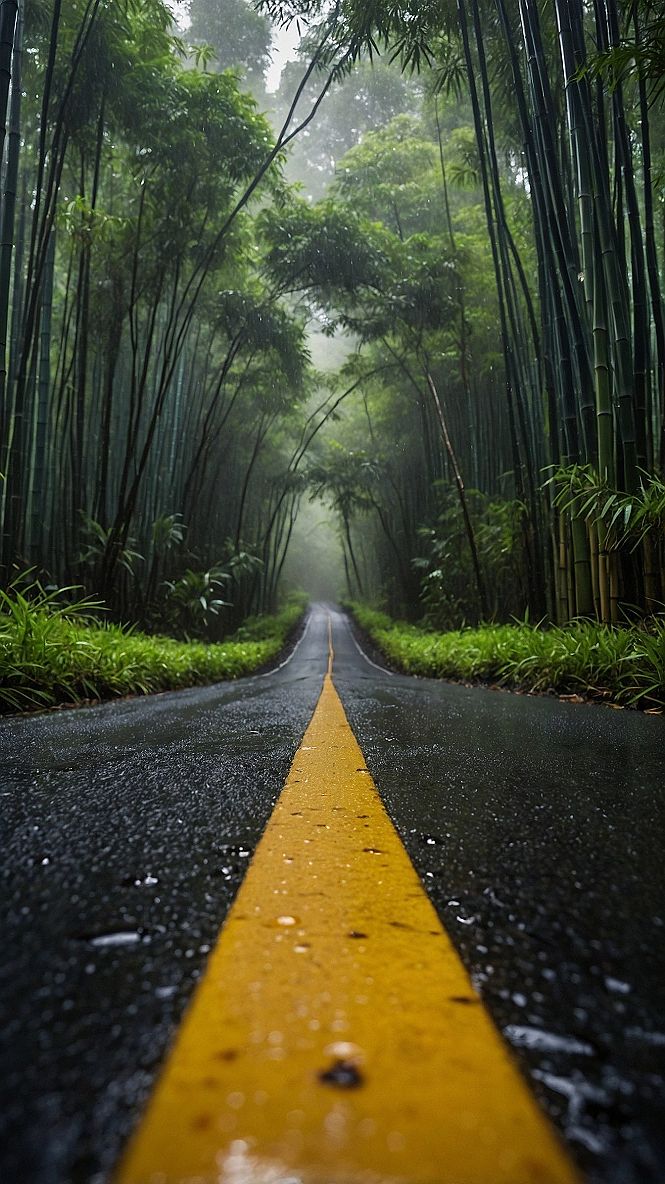
Photographing a wet road running through a dense bamboo forest means working with high-contrast surfaces and heavy mist. Rain adds a layer of water to the asphalt, turning dull grey surfaces into reflective planes that bounce ambient light. This technique relies on capturing the natural sheen of wet pavement while keeping the surrounding greenery balanced and clear.
When heading out for this style of photography, keep your camera lens protected from lingering drizzle using a small rain cover or a simple plastic sleeve with a rubber band. Try lowering your viewpoint closer to the ground to emphasize the long leading lines of the road, which draws the eye naturally into the distance and makes the wet textures stand out much more.
#2 Finding Moody Reflections Along Wet Nature Trails
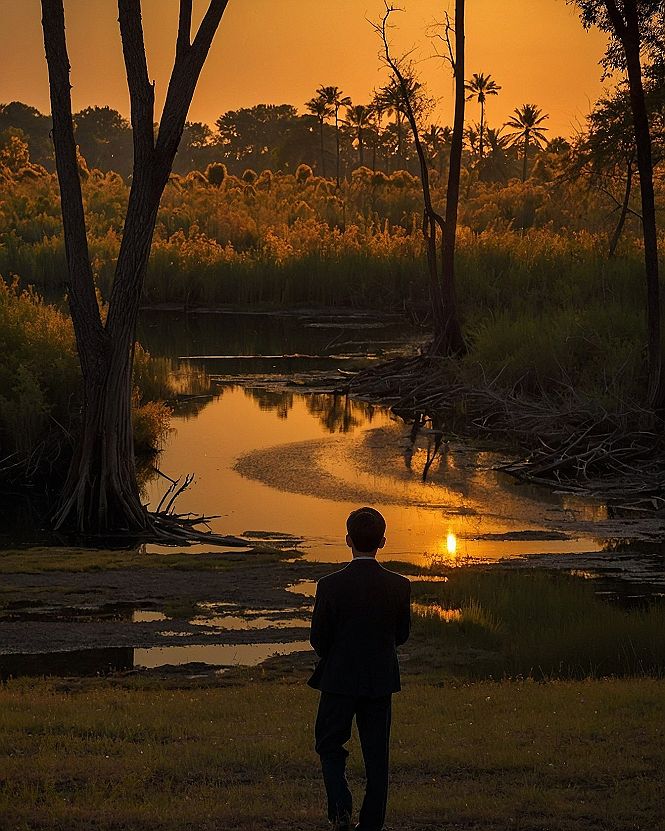
Shooting near puddles after a rain shower works well because standing water creates mirror surfaces for natural light. When clouds break and the sun hits wet ground, you get double the visual impact without needing extra gear. It turns a simple walking path into a striking composition.
This approach suits hikers and travelers who enjoy taking moody landscape shots during or after a storm. You can expect strong color contrast and deep shadows once the weather clears. Watch your footing on muddy trails and take time to find puddles that reflect the wider landscape.
#3 Choosing a Portable Shelter for Wet Weather Photography

When you plan a stormy outdoor shoot, you need to decide whether to set up a compact tent or rely on handheld weather gear. A small pop-up shelter gives you a dry basecamp to monitor downpours without ruining your camera body. Think about how much gear space you actually need before packing a bulky dome shelter into muddy trails.
If you are working on a tight budget or hiking light, skip the heavy camping tents and pick up a simple tarp system instead. You can rig a lightweight rain fly between sturdy trees to create a quick overhang. This keeps your lens and notebooks dry while letting you move fast when the storm clears up.
Which style is calling your name?
#4 Protecting Camera Gear During Rainy Night Photography
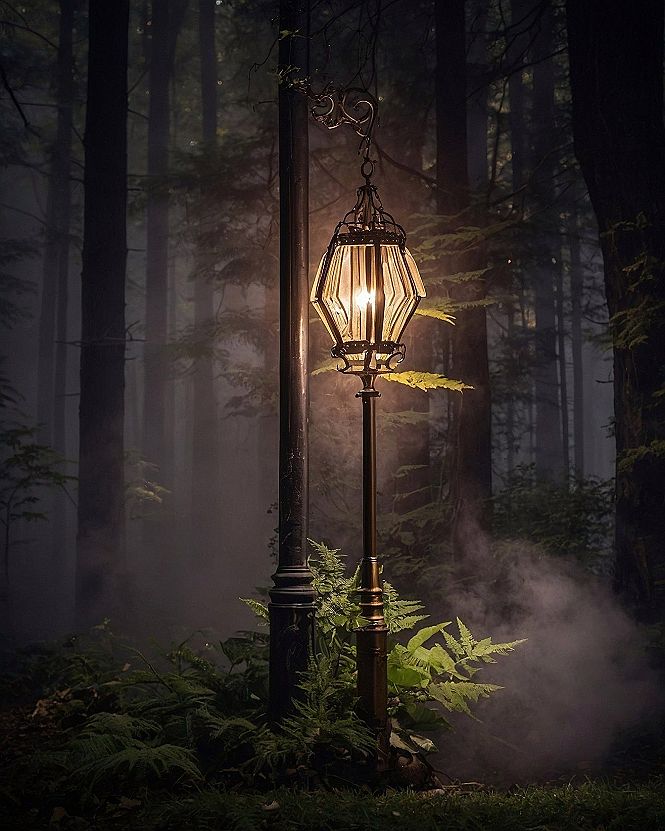
Shooting in damp conditions requires smart gear protection to keep moisture away from sensitive electronics. Using a simple rain cover or even a plastic bag secured with a rubber band can stop water droplets from ruining your lens. Always wipe down your camera body with a microfiber cloth before packing it away after a wet session.
When you return indoors, let your equipment dry naturally at room temperature before storing it in a closed bag. Placing silica gel packets inside your camera case helps absorb lingering humidity and prevents mold growth on lenses. Proper post-shoot care ensures your gear stays reliable for many rainy adventures to come.
#5 Embracing Snowy Winter Roads for Seasonal Photography
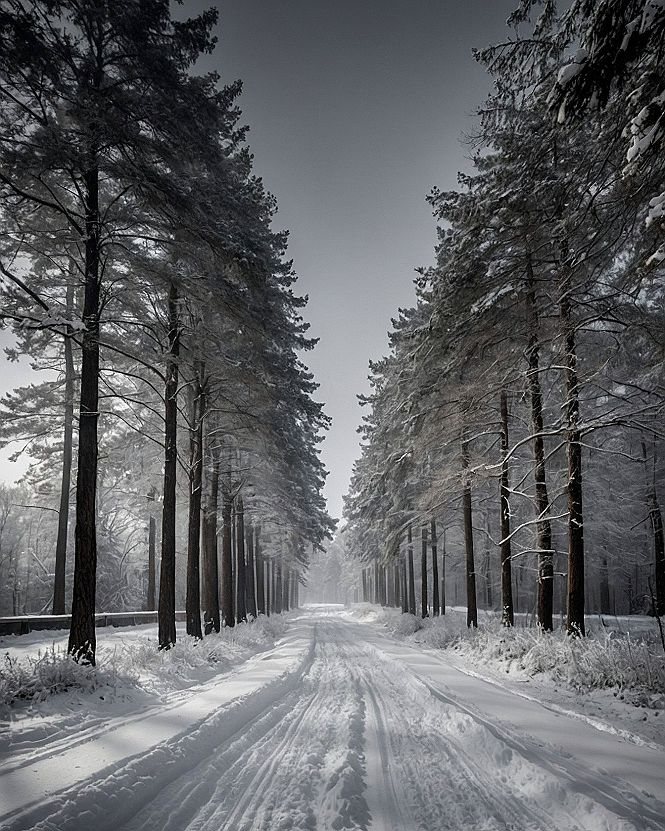
When freezing rain turns into fresh snowfall along your favorite driving route, you get a wonderful chance to capture stark, peaceful landscapes. Fresh snow muffles background noise and coats every branch evenly, making it much easier to frame a clean shot. I always suggest heading out early before tire tracks disrupt the smooth white surface.
If the weather makes driving too tricky, look for quiet walking paths or local parks where you can safely practice on foot. A simple polarizing filter helps cut down the harsh glare bouncing off the white ground, giving your final photos much better contrast and richer tones without extra editing work later.
What's Your Style Personality?
Tap the look that speaks to you most:
Leave a Comment